The Hidden Cost of Low Confidence: How It Shapes Women's Experiences in the Workplace and Relationships in 2026


Traci Sanders-Campbell
2 months ago
In 2026, women have made remarkable strides across industries, leadership positions, entrepreneurship, and education. Yet despite significant progress toward gender equality, one challenge continues to affect countless women in both their professional and personal lives: a lack of confidence.
Confidence is more than simply believing in oneself. It influences decision-making, communication, career advancement, relationship dynamics, and overall well-being. When confidence is lacking, even highly capable women may struggle to recognize their own value, advocate for their needs, and pursue opportunities that align with their potential.
As workplaces evolve and relationships become increasingly complex in a fast-paced digital world, understanding the impact of low confidence has never been more important.
Confidence and Career Growth
One of the most visible effects of low confidence appears in the workplace. Women who doubt their abilities often underestimate their qualifications, skills, and achievements. This self-doubt can prevent them from applying for promotions, leadership positions, or new career opportunities.
Research consistently shows that many women hesitate to pursue roles unless they feel they meet nearly all listed qualifications. In contrast, others may be more willing to take calculated risks even when they do not meet every requirement. As a result, talented women may remain in positions below their capabilities simply because they lack confidence in their readiness.
Low confidence can also affect performance during interviews, presentations, and meetings. Women may hesitate to share ideas, challenge assumptions, or contribute to important discussions due to fear of criticism or rejection. Unfortunately, silence can sometimes be mistaken for a lack of expertise, even when valuable insights remain unspoken.
In an increasingly competitive workplace, visibility matters. Employees who confidently communicate their accomplishments are often recognized for their contributions. Women who struggle with confidence may downplay successes, attribute achievements to luck, or avoid taking credit for their work. Over time, this can impact career progression, compensation, and professional recognition.
The Rise of Imposter Syndrome
Although confidence challenges affect people of all genders, many women continue to experience imposter syndrome—the persistent belief that they are not as competent as others perceive them to be.
In 2026, as workplaces become more technology-driven and rapidly changing, imposter syndrome remains a significant issue. Women entering leadership roles, STEM fields, entrepreneurship, and executive positions often report feeling pressure to prove themselves repeatedly.
Even when evidence clearly demonstrates success, self-doubt can create a cycle of anxiety and overwork. Women may spend excessive time perfecting tasks, avoiding risks, or seeking validation from others. While striving for excellence can be beneficial, chronic self-questioning can lead to burnout and emotional exhaustion.
The result is not only personal stress but also lost opportunities for innovation, leadership, and professional growth.
Financial Consequences of Low Confidence
Confidence and financial success are closely connected.
Women who lack confidence may feel uncomfortable negotiating salaries, requesting raises, or discussing compensation. They may accept initial offers without negotiation or avoid conversations about their financial worth altogether.
Over time, these decisions can have a substantial impact on lifetime earnings. A difference of a few thousand dollars in annual salary can compound significantly across decades of employment, affecting retirement savings, investments, and overall financial security.
Confidence also plays a role in entrepreneurship. Many women possess innovative business ideas but hesitate to launch ventures due to fear of failure, criticism, or uncertainty. While caution has its place, excessive self-doubt can prevent promising opportunities from becoming reality.
The Impact on Workplace Relationships
Confidence affects not only career advancement but also workplace relationships.
Women with low confidence may struggle to establish boundaries with colleagues, managers, or clients. They may take on excessive workloads, agree to unreasonable requests, or avoid difficult conversations to prevent conflict.
While being cooperative is often viewed positively, constantly prioritizing others’ needs over one’s own can lead to resentment and burnout. It can also create an imbalance where capable employees become overburdened while receiving insufficient recognition.
Furthermore, women who lack confidence may be more vulnerable to workplace bullying, manipulation, or exclusion. Difficulty asserting oneself can make it harder to address inappropriate behavior or advocate for fair treatment.
Healthy workplace relationships require mutual respect, clear communication, and self-advocacy—qualities that are strengthened by confidence.
Confidence and Romantic Relationships
The effects of low confidence extend far beyond professional environments. Personal relationships are often deeply influenced by how individuals view themselves.
Women who struggle with self-confidence may seek external validation to feel worthy or secure. This can create unhealthy relationship patterns where self-worth becomes dependent on a partner’s approval, attention, or opinions.
Low confidence may also lead women to tolerate behaviors that do not align with their values or needs. Fear of rejection, loneliness, or conflict can make it difficult to establish healthy boundaries or leave unhealthy situations.
In romantic partnerships, confidence supports open communication and emotional honesty. Women who believe in their own worth are generally more comfortable expressing needs, discussing concerns, and advocating for mutual respect.
When confidence is lacking, communication may become indirect, passive, or avoidant, increasing the likelihood of misunderstandings and dissatisfaction.
Social Media and the Confidence Challenge
In 2026, social media continues to shape perceptions of success, beauty, relationships, and achievement.
While digital platforms provide opportunities for connection and inspiration, they can also contribute to comparison and self-doubt. Women are constantly exposed to curated images of seemingly perfect careers, relationships, lifestyles, and appearances.
Comparing real-life struggles to carefully edited online content can create unrealistic expectations and diminish self-confidence. The pressure to meet impossible standards often leads women to question their accomplishments, appearance, or life choices.
Building confidence in the digital age requires recognizing that social media rarely reflects the complete reality of anyone’s life.
Building Confidence for a Stronger Future
Confidence is not about being fearless; it is about taking action despite fear. This philosophy is reflected in the work of Nakisha J. Gregory, host of ‘Confidence on Command LIVE’ airing now on BeSpire TV, encourages women to step fully into their power with the reminder: “Own your story, shift the energy, command the room.”
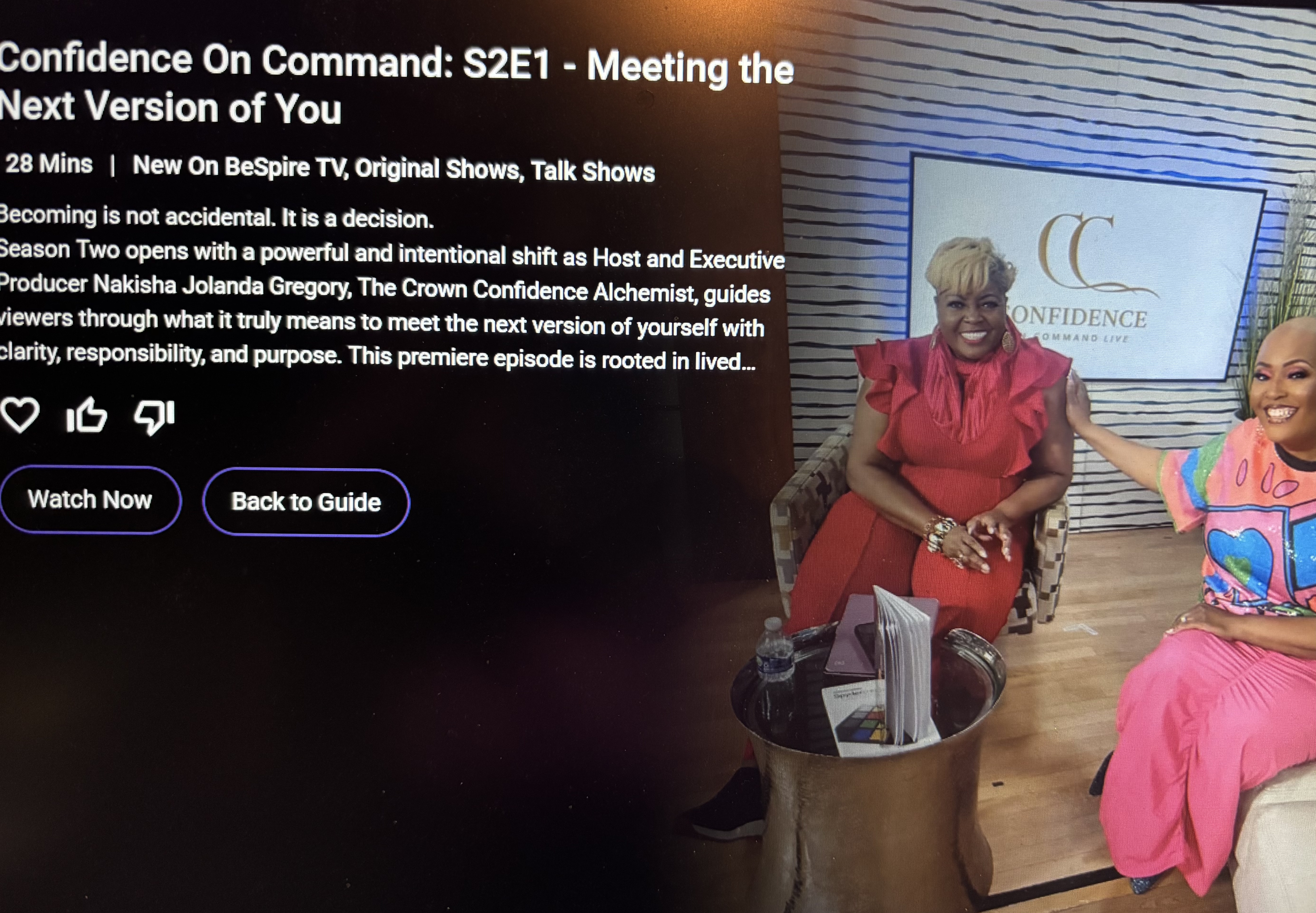
Her message resonates strongly in today’s workplace and relationship landscape, where women are often challenged to advocate for themselves, establish boundaries, and embrace leadership opportunities. By owning their experiences and recognizing their value, women can replace self-doubt with self-trust and create lasting personal and professional transformation.
Going Forward In Confidence
As women navigate the workplace and relationships in 2026, confidence remains a critical factor influencing success, fulfillment, and well-being. A lack of confidence can limit career advancement, affect financial outcomes, strain relationships, and undermine personal growth.
However, confidence is not something reserved for a select few. It is a skill that can be cultivated through experience, support, and self-belief. By addressing self-doubt and embracing their strengths, women can unlock opportunities, build healthier relationships, and create lives that reflect their true potential.
The future belongs not only to those who are talented and capable, but also to those who trust themselves enough to step forward and be seen.
You must be logged in to like or comment on the blog