















Unseen Scars
The Day My Life Changed Before I Could Understand It
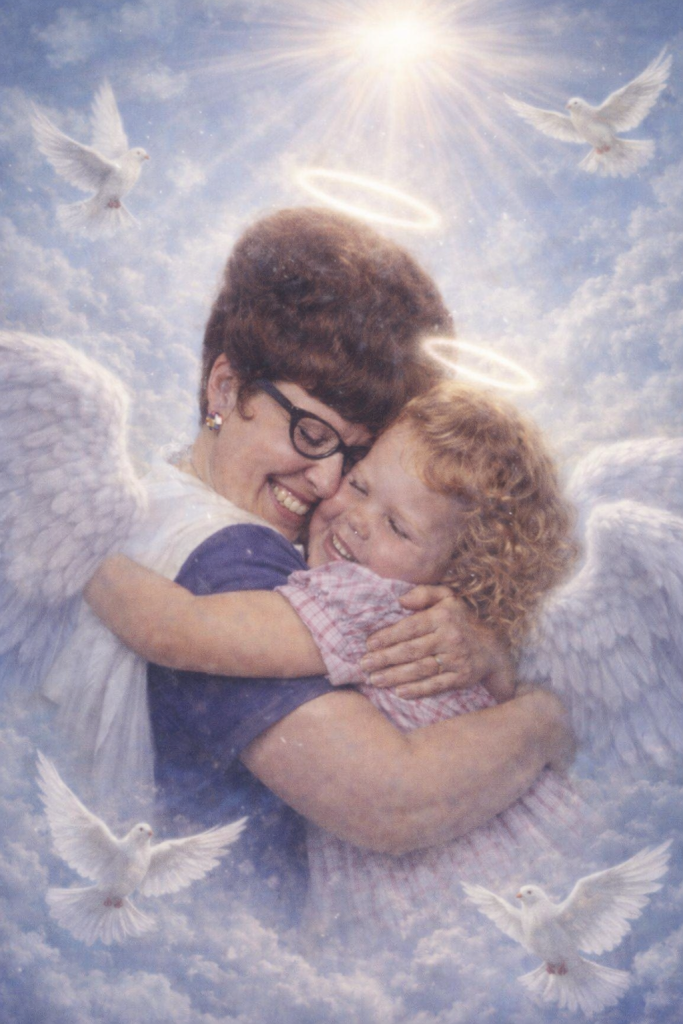
I was only three years old when my world changed forever. On June 14, 1975, I lost my mom and my sister—two people I barely had the chance to fully know, yet somehow never stopped missing. My mother was only 30 years old when she died. My older sister was only 6 years old. Two lives gone far too soon—two hearts that should have had decades more to live, laugh, and love.
I don’t remember their voices the way I wish I could. I don’t remember the details the way older kids might. But what I do remember is what came afterward—the feeling that something holy, safe, and irreplaceable had been taken from my life.
When you lose someone that young, people sometimes assume you’ll “be fine” because you were too little to understand. But grief doesn’t always need memories to survive. It settles into your heart. It shapes your thoughts. It becomes an ache that follows you into adulthood—quiet at times, overwhelming at others—never fully leaving.
For years I carried the weight of that loss without knowing how to name it, and without understanding how deeply it would affect the way I saw myself, my future, and even God.
Growing Up With a Hole in My Heart
As I grew older, I realized that what happened to my mom and sister wasn’t just a tragic story from my past—it became part of my identity. There was always an invisible “before” and “after,” even though I couldn’t remember the before.
I tried to live like everyone else. I worked hard. I showed up. I stayed busy. I learned to survive. From the outside, it looked like strength. But on the inside, I felt like I was living with a kind of emptiness that no amount of effort could fill.
And grief, when it goes unprocessed, often turns into something else. It turns into anger. It turns into fear. It turns into shame. It turns into loneliness. At times, it turns into the belief that you were meant to carry pain instead of joy.
There were seasons I questioned why God would allow such a thing. There were moments I didn’t understand His plan. But even then—when I couldn’t see it—God was still present. Not always in the way I expected, but in the way I needed.
The Breaking Point
In my early thirties, everything I had carried caught up with me.
I had spent years trying to outrun the pain—trying to stay strong, trying to stay busy, trying to act like it didn’t still hurt. But grief doesn’t disappear when you ignore it. It waits. It builds. And then one day, it demands to be faced.
I reached a breaking point where the weight of life felt too heavy. I didn’t want to admit it. I didn’t want to say it out loud. But deep down, I was exhausted—emotionally, mentally, spiritually. It felt like I was drowning in thoughts I couldn’t shut off, and it felt like nobody could truly see the battle going on inside of me.
And the truth is: I came close to giving up.
What People Don’t Understand About Suicide
One of the hardest things for people to understand is that suicidal thoughts don’t always come from wanting to die. Sometimes they come from wanting to stop. They come from feeling trapped—like the burden is never going to lift and the darkness will never end.
I wasn’t seeking attention.
I wasn’t being dramatic.
I was in a place of deep despair, where hope felt distant and peace felt impossible.
And that’s why it’s so dangerous—because many people suffering silently look fine on the outside. They laugh. They go to work. They smile. But behind closed doors, they’re fighting battles they don’t know how to explain.
But Scripture reminds us that darkness is real and so is the enemy who wants to destroy lives, families, and futures. Yet God’s Word also reminds us that the enemy does not get the final say. God does.
The Turning Point: God Was Not Finished With Me
Somewhere in that darkness, there was still a fight inside of me. And looking back now, I believe that fight was God’s hand on my life. Even when I couldn’t feel Him, He was still holding me.
Healing didn’t happen in one moment. It wasn’t instant. It was a process. It was a series of choices—small ones at first—then bigger ones. Choices to be honest. Choices to talk. Choices to confront pain I had buried for years. Choices to stop carrying everything alone.
And slowly, God began to rebuild me—piece by piece.
Not because I was strong.
But because He is faithful.
There’s a difference between surviving and living. I survived for a long time. But God didn’t create me just to survive—He created me to live with purpose, to walk in freedom, and to use what I’ve been through to help others.
Why I’m Telling This Story
I’m writing this because I know I’m not the only one.
There are people walking around right now who look “fine” on the outside, but inside they’re struggling with grief, trauma, depression, anxiety, shame, loneliness, or hopelessness. People who feel broken but don’t want anyone to know. People who believe they’re too far gone.
But I want you to hear this clearly:
You are not alone.
You are not weak.
You are not beyond God’s reach.
Sometimes the bravest thing a person can do is not pretend they’re okay, but instead speak the truth and reach out for help. God often sends healing through people—through community, through prayer, through support, through counseling, through someone simply being willing to listen.
My Message
I didn’t choose what happened to me as a child. I didn’t choose the loss. I didn’t choose the pain that followed. But I can choose what my life becomes because of it.
My story could have ended in silence.
It could have ended in heartbreak.
It could have ended with tragedy.
But it didn’t.
Surviving isn’t the end goal. Healing is. And I’m proof that even if you get close to the edge, you can still come back and build something powerful from the pain.
Why Kares Foundation Exists
Out of that pain, God placed a calling on my life: not to stay trapped in grief, but to turn tragedy into purpose. That is why I founded Kares Foundation—Kares helps communities and youth choose life, hope and healing- bringing awareness and support while reflecting Christ-like love and dignity in every life we touch.
The name Kares is personal. It carries my family with it.
“Kare” comes from my mother’s name, Karen.
And the “S” is for my sister, Shelly.
Together, their names became Kares Foundation, and their lives became part of a mission bigger than tragedy.
This foundation exists so that what happened on June 14, 1975, will never be “just a date.” It will be a reminder that life is precious, choices matter, and hope can rise even after unimaginable loss.
If my story touches your heart, I invite you to learn more, support the mission, and help us reach others with life-saving awareness and encouragement.
Visit us at: https://www.karestoday.org/
I can do all things through Christ who Strengthens me. Philippians 4:13