Preventive Cardiovascular Care: Small Steps Today for a Stronger, Healthier Heart Tomorrow!


Dr. Melissa Balizan
5 months ago
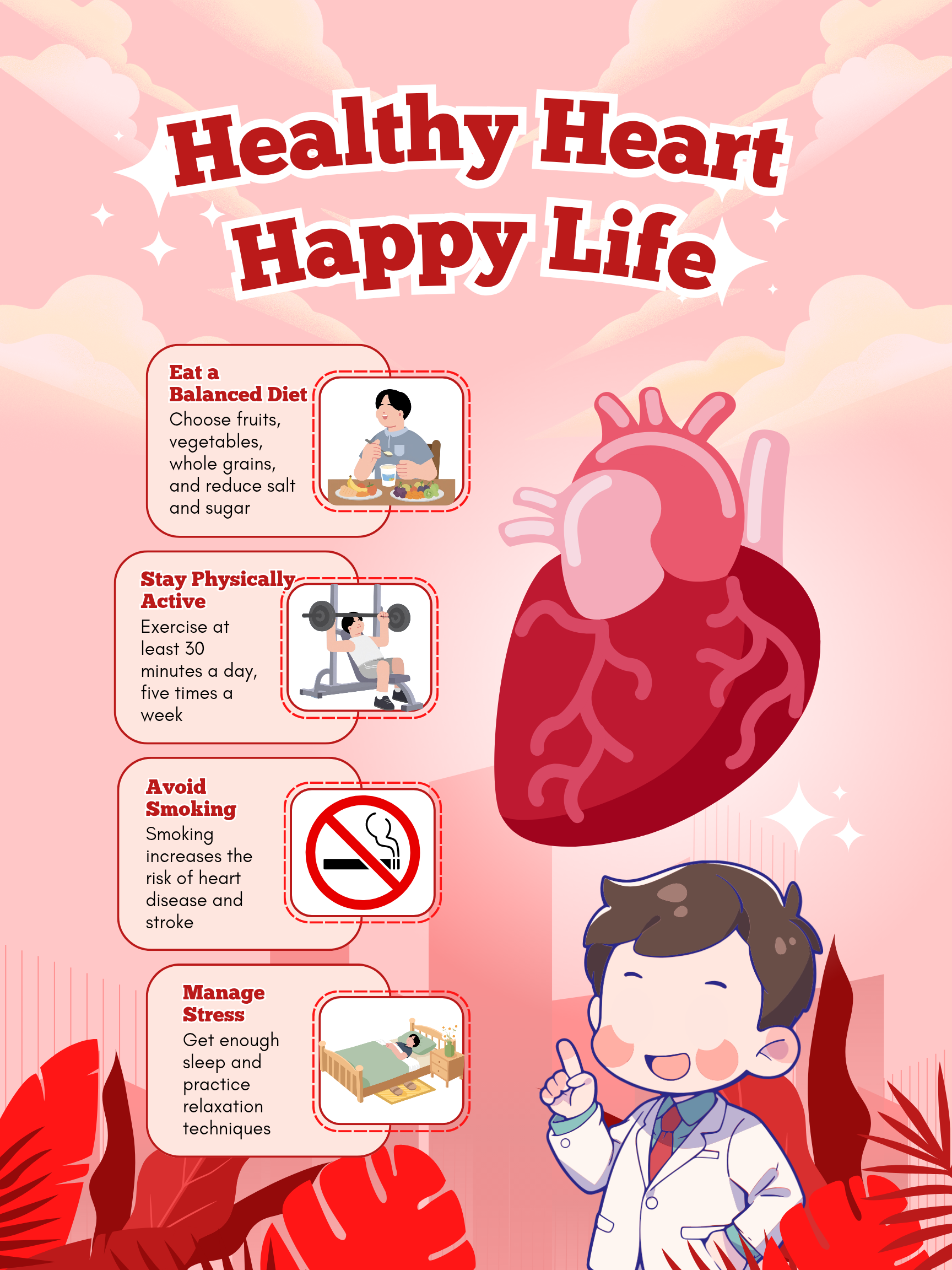
Heart disease remains the leading cause of death for both men and women. But here is the good news: the vast majority of cardiovascular conditions are entirely preventable.
Prevention isn’t about achieving absolute perfection. It’s about making consistent, informed, and everyday choices. As a pharmacist, health advocate, and educator, my philosophy is simple: everyone has a voice and a choice in their health journey. You don’t have to navigate this alone, and you don’t have to change your entire life overnight to make a massive impact.
What Is Preventive Cardiovascular Care?
At its core, preventive care means taking action to keep diseases from developing or worsening, rather than waiting to treat them after damage has occurred.
When it comes to your heart, waiting for symptoms like chest pain or shortness of breath is a risky strategy. Damage to your blood vessels can quietely accumulate over decades without a single warning sign.
In medicine, we look at prevention in two distinct ways:
-
Primary Prevention: Taking action to prevent a heart event from happening in the first place (e.g., managing cholesterol or quitting smoking before an issue arises).
-
Secondary Prevention: Taking action after an event, like a heart attack or stroke, to keep it from happening again.
By focusing heavily on proactive choices today, you drastically reduce your risks and dramatically improve your long-term quality of life.
Know Your Risk Factors
Understanding what threatens your cardiovascular health is the first step to protecting it. Risk factors generally fall into two categories:
1. Non-Modifiable Risk Factors (Things you cannot change)
-
Age: Your risk naturally increases as you get older.
-
Family History: Genetics can predispose you to heart issues.
-
Gender: Risk patterns differ between men and women, though it remains a top threat to both.
-
Ethnicity: Certain backgrounds carry a statistically higher risk of cardiovascular disease.
2. Modifiable Risk Factors (Things you CAN control)
This is where your power lies. You have the ability to directly improve or manage:
-
High blood pressure & high cholesterol
-
Diabetes & blood sugar spikes
-
Smoking habits
-
Obesity & physical inactivity
-
Chronic stress & poor sleep hygiene
The Numbers Everyone Should Know
You cannot manage what you do not measure. To advocate for your heart effectively, you need to track these four crucial biological metrics:
Nutrition: Fueling a Healthy Heart
Think of food as medicine and fuel. Eating for your heart doesn’t mean deprivation; it means prioritizing nutrient-dense choices.
Foods to Enjoy Plentifully
-
Fruits & Vegetables: Packed with antioxidants and potassium to help regulate blood pressure.
-
Whole Grains: Oatmeal, brown rice, and quinoa provide soluble fiber that helps lower cholesterol.
-
Lean Proteins & Healthy Fats: Fish rich in Omega-3s (like salmon), poultry, nuts, seeds, and olive oil protect your arterial walls.
Foods to Limit
-
Excess Sodium: Pulls water into your bloodstream, skyrocketing blood pressure.
-
Added Sugars & Processed Foods: Drive inflammation and weight gain.
-
Trans Fats: Directly raise your bad cholesterol and lower your good cholesterol.
Dr. Melissa’s Practical Nutrition Tips: Always read nutrition labels—hidden sugars and sodium are everywhere. Plan your meals ahead to avoid impulse fast-food stops, practice portion awareness, and stay well-hydrated throughout the day.
Exercise as Medicine
Physical activity is one of the most powerful prescriptions available for cardiovascular wellness.
You don’t need to live at the gym to reap the benefits. Regular, brisk walking is an exceptional form of cardio that strengthens the heart muscle and lowers blood pressure. Complementing your cardio with strength training helps your body process blood sugar more efficiently, while flexibility and mobility work keep you moving pain-free.
The Simple Goal: Move more, sit less. Find activities you genuinely enjoy—whether it’s dancing, hiking, or cycling—so it becomes a habit you look forward to.
Managing Stress & Sleep for Heart Health
We often think of heart health as purely physical, but mental and emotional wellness are deeply intertwined with your cardiovascular system.
Chronic stress floods your body with cortisol and adrenaline, which raises blood pressure and triggers arterial inflammation over time. To combat this, build daily stress-management techniques into your schedule, such as:
-
Deep breathing and meditation
-
Prayer or quiet reflection
-
Spending time in nature
-
Social connection with loved ones
-
Journaling to process emotions
Similarly, quality sleep is non-negotiable. Poor sleep is a direct driver of high blood pressure and systemic inflammation. Prioritize sleep hygiene by keeping your bedroom cool and dark, and turning off electronic screens at least an hour before bed.
Medication and Supplement Awareness
As a pharmacist, this area is incredibly close to my heart. Medications are brilliant tools for preventing heart attacks and strokes, but they only work if used safely and correctly.
-
Take medications exactly as prescribed: Skipping doses minimizes their protective benefits.
-
Understand side effects: Know what to expect and communicate openly with your pharmacist or doctor if something feels off.
-
Watch for interactions: Just because a supplement or vitamin is “natural” does not mean it is safe to mix with your prescription heart medications.
-
Schedule regular medication reviews: Sit down with your pharmacist annually to look at everything you are taking to optimize your regimen.
The Power of Self-Advocacy
“No one knows your body better than you. Your voice matters, and your health deserves your attention.” — Dr. Melissa
Being a passive patient is a thing of the past. To truly protect your heart, you must be an active participant in healthcare decisions. Ask questions when you don’t understand a diagnosis, make sure your doctor walks you through your lab results line-by-line, and keep a personal health journal to track how you feel, your numbers, and any symptoms.
Prevention Across the Lifespan
Heart health looks a little different at every stage of life, but the mission remains the same:
-
In Your 20s and 30s: Focus on building foundation habits. Establish a baseline routine for diet, exercise, and sleep that will carry you for decades.
-
In Your 40s and 50s: Increase your screenings. Monitor your risk factors closely as metabolism and hormone levels begin to shift.
-
In Your 60s and Beyond: Focus on maintenance, structural mobility, and preserving an exceptional quality of life.
My Heart Health Framework: The 5 Pillars of Prevention
When you look at the big picture, long-term cardiovascular health boils down to five fundamental pillars. Focus on these, and your heart will thank you for years to come.
                  ┌──────────────────────────────┐
                  │   THE 5 PILLARS OF HEART    │
                  │         PREVENTION           │
                  └──────────────┬───────────────┘
                                 │
         ┌───────────────┬───────┼───────┬───────────────┐
         ▼               ▼       ▼       ▼               ▼
  ┌────────────┐ ┌───────────┐ ┌────┐ ┌──────────┐ ┌────────────┐
  │  Know Your │ │  Nourish  │ │Move│ │  Manage  │ │  Advocate  │
  │  Numbers   │ │ Your Body │ │Daily││  Stress  │ │  For Your  │
  │            │ │           │ │    │ │          │ │   Health   │
  └────────────┘ └───────────┘ └────┘ └───────────┘ └────────────┘
Conclusion
Heart disease prevention starts long before symptoms ever appear. Small, consistent actions taken today yield massive, life-saving benefits tomorrow. It is absolutely never too early—and it is never too late—to invest in your cardiovascular health.
Your Next Steps:
-
Schedule your preventive health screening to get your current numbers.
-
Share this article with someone you care about who needs to hear this message.
-
Follow Dr. Melissa for ongoing heart-health education, tips, and practical everyday wellness advice.
“The best time to protect your heart was years ago. The second-best time is today. Every healthy choice is an investment in your future.” — Dr. Melissa Balizan
Connect with Dr. Melissa Balizan
Website: drmelissabalizan.com
Email: [email protected]
Text: 719-280-2637
Notice: This information is intended to be a resource only and not a substitute for diagnosis or treatment by a qualified healthcare professional. Always consult your health professional before beginning any new exercise, nutrition, or supplementation program.