















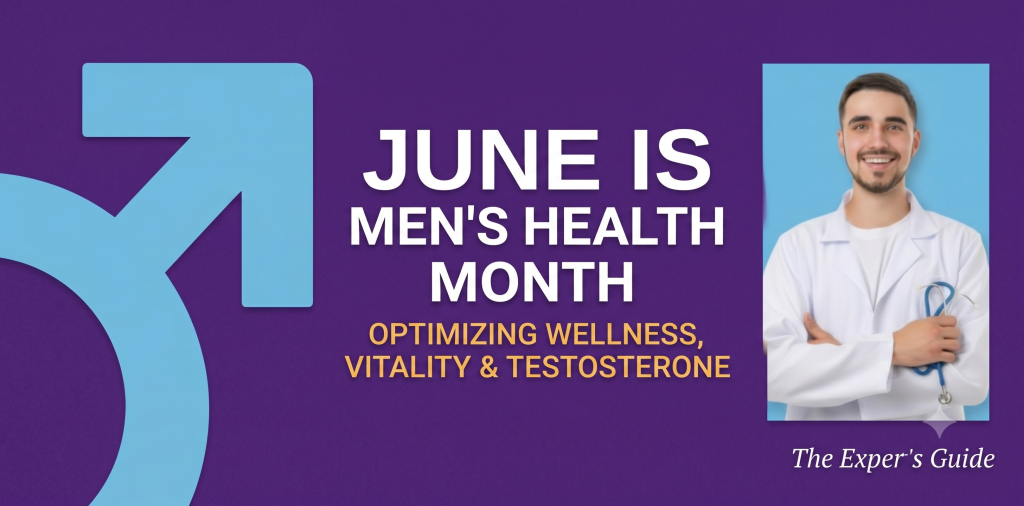


June marks Men’s Health Awareness Month, a crucial time dedicated to bringing awareness to the unique health challenges men face. In America today, the state of men’s health presents a sobering reality: on average, men live nearly six years less than women and are significantly less likely to visit a doctor for regular checkups.
Too often, men prioritize work, family, and daily responsibilities, placing their own well-being at the bottom of the to-do list. However, true strength isn’t just about physical power—it’s about taking ownership of your health, prioritizing prevention, and making choices today that secure a vibrant, long-term future.
Dr. Melissa’s Message: A Shift in Perspective
“Men’s Health Awareness Month is a reminder that strength isn’t just about physical power—it’s about taking ownership of your health, prioritizing prevention, and making choices today that support a healthier, more vibrant future. Your health is one of your greatest investments.” — Dr. Melissa Balizan
When we talk about wellness, we are looking at an interconnected system. Health is not merely the absence of disease; it is the presence of energy, strength, mental clarity, confidence, and longevity.
A common pitfall is waiting for symptoms to appear before taking action. Embracing prevention over treatment through regular checkups and early detection saves lives. Small, consistent lifestyle modifications today yield massive health dividends down the road.
Understanding Men’s Health Beyond the Basics
Achieving optimal vitality requires looking at the complete picture. True wellness spans several critical interconnected pillars:
-
Cardiovascular Health: Heart disease remains a leading health concern for men.
-
Mental and Emotional Well-being: Breaking the stigma around men’s mental health is vital. Warning signs like anxiety, depression, burnout, social withdrawal, or increased irritability should never be ignored.
-
Hormonal & Sexual Health: Maintaining hormonal balance supports libido, physical performance, and overall mood.
-
Sleep Quality & Brain Health: Cognitive function, memory, and cellular repair rely entirely on restorative rest.
-
Weight Management: Sustainable body composition directly influences metabolic and cardiovascular health.
What Is Testosterone and Why Does It Matter?
Testosterone is a foundational piece of the overall health puzzle—but it is important to remember it is one piece, not the whole picture.
Produced primarily in the testes, testosterone plays an essential role in maintaining muscle mass, bone density, energy levels, mood stability, and libido. While it is completely natural for testosterone levels to gradually decline with age, a drastic drop can trigger noticeable shifts in quality of life.
Signs of Low Testosterone
-
Chronic fatigue and reduced motivation
-
Decreased muscle mass and increased body fat
-
Low libido or changes in sexual function
-
Mood swings and difficulty concentrating
-
Reduced physical performance during exercise
Important Note: Symptoms alone do not confirm low testosterone. Because these signs overlap with many other health conditions, a proper medical evaluation and comprehensive lab testing are essential.
Natural Ways to Support Healthy Testosterone & Vitality
You can significantly influence your hormonal health and overall vitality through foundational daily habits:
1. Prioritize Quality Sleep
Sleep is peak production time for your endocrine system. Chronic sleep deprivation directly disrupts hormone manufacturing. Aim for 7 to 9 hours of nightly sleep and establish a consistent evening routine.
2. Strength Training and Physical Activity
Resistance training is one of the most effective ways to naturally support testosterone production. Focus on lifting weights or bodyweight resistance training 2 to 3 times weekly to preserve vital muscle mass and combat a sedentary lifestyle.
3. Nutrition for Hormonal Health
Fuel your body with nutrient-dense, whole foods.
-
Focus on: Lean proteins, healthy fats (olive oil, avocados, nuts), a colorful variety of fruits and vegetables, whole grains, and omega-3-rich foods.
-
Key Micronutrients: Ensure your diet includes adequate Zinc, Magnesium, and Vitamin D, which serve as the building blocks for hormone synthesis.
4. Stress Management
Chronic stress keeps the hormone cortisol elevated. Because cortisol and testosterone have an inverse relationship, high stress naturally suppresses your testosterone levels. Incorporate daily mindfulness, deep breathing exercises, or outdoor relaxation strategies to keep stress in check.
5. Healthy Weight Management
Excess body fat, particularly around the midsection, can accelerate the conversion of testosterone into estrogen. Adopting a sustainable lifestyle approach rather than a “quick fix” diet creates a balanced hormonal environment.
Heart Health and Testosterone: The Connection
The cardiovascular system and endocrine system do not operate in silos. In fact, they share many of the same risk factors. Poor metabolic health, a sedentary lifestyle, and high stress negatively impact both your heart and your hormone levels simultaneously.
By practicing the healthy habits listed above—exercise, clean nutrition, and stress reduction—you protect your heart while supporting your hormones.
To keep a baseline on your cardiovascular and metabolic status, ensure you receive regular screenings for:
-
Blood pressure
-
Cholesterol panels (lipid profiles)
-
Blood glucose (HbA1c)
-
Body composition measurements
Preventive Screenings Every Man Should Consider
Building a relationship with a healthcare professional ensures you stay ahead of potential health challenges. Be proactive and schedule regular health assessments, including annual physical exams and age-appropriate screenings.
Use your annual visits to have open discussions regarding:
-
Testosterone testing (when clinically indicated by symptoms)
-
Prostate health screenings (PSA blood tests and exams)
-
Colon cancer screenings (based on age and risk factors)
-
Skin cancer checks
Creating Your Men’s Health Action Plan
Transforming your health doesn’t require an overnight overhaul. Focus on consistency over perfection and progress over quick fixes.
5 Simple Steps to Start This Week:
-
Schedule your annual wellness visit and get your baseline bloodwork done.
-
Improve your sleep quality by setting a firm bedtime.
-
Strength train 2 to 3 times this week.
-
Prioritize adding one extra serving of nutrient-dense food to every meal.
-
Monitor your mental health and take dedicated breaks to manage daily stress.
The Bottom Line
Testosterone wellness is an essential component of a man’s vitality, but true health stems from a comprehensive approach. When you combine targeted nutrition, regular movement, restorative sleep, active stress management, and consistent preventive care, you build a foundation for a high-energy, high-clarity future.
Connect with Dr. Melissa Balizan
-
Website: drmelissabalizan.com
-
Email: [email protected]
-
Text: 719-280-2637
-
Podcast: VITAL with Dr. Melissa on eZWay
-
eZWay Wall of Fame: Dr. Melissa Balizan Profile
- eZWayNetwork: eZWay Network Affiliate
- eZWay Pitch Party:eZWay Pitch Party
-
Notice: This information is intended to be a resource only and not a substitute for diagnosis or treatment by a qualified healthcare professional. Always consult your health professional before beginning any new exercise, nutrition, or supplementation program.